Pancreatic cancer is one of the deadliest forms of cancer because it often goes unnoticed until it reaches an advanced stage. The pancreas, a small but vital organ located behind the stomach, plays a key role in digestion and regulating blood sugar. Since symptoms usually appear subtly, many people mistake them for common digestive or lifestyle issues. Recognizing the early warning signs can make all the difference in timely diagnosis and treatment.
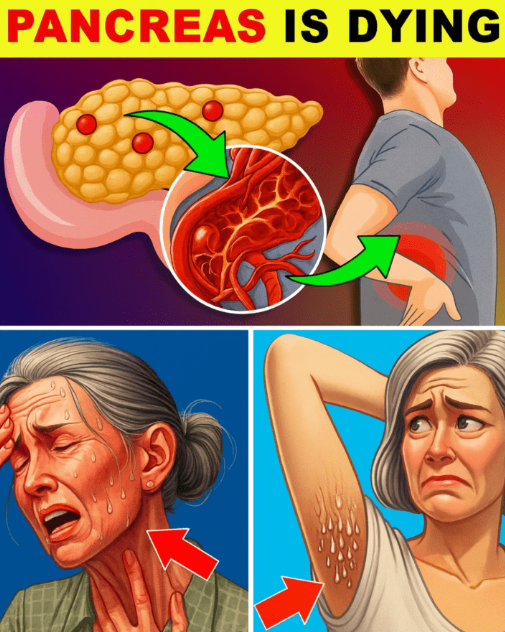
Here are 8 shocking signs of pancreatic cancer you should never ignore:
1. Unexplained Weight Loss
Sudden weight loss without changes in diet or exercise can signal that your body isn’t absorbing nutrients properly due to pancreatic issues. This can happen when a tumor blocks digestive enzymes from breaking down food.
2. Persistent Abdominal Pain
Pain that radiates from the upper abdomen to the back, especially after eating or lying down, may be linked to pancreatic cancer. It is often dismissed as indigestion, but chronic discomfort should be evaluated by a doctor.
3. Jaundice (Yellowing of Skin and Eyes)
One of the most visible signs of pancreatic cancer is jaundice. When a tumor blocks the bile duct, bilirubin builds up in the body, leading to yellow skin, dark urine, and pale stools.
4. New-Onset Diabetes
If you suddenly develop diabetes without obvious risk factors, your pancreas may not be functioning properly. Pancreatic tumors can disrupt insulin production, leading to blood sugar imbalances.
5. Digestive Problems
Bloating, nausea, vomiting, and fatty or greasy stools (steatorrhea) are potential signs. These occur when the pancreas cannot release enough enzymes to digest food properly.
6. Loss of Appetite
A significant drop in appetite that persists for weeks is concerning. Pancreatic cancer can alter the way your body processes food, making you feel full faster or uninterested in eating.
7. Fatigue and Weakness
Ongoing tiredness that doesn’t improve with rest may be an early warning sign. Cancer cells consume a lot of energy, leaving your body drained and weak.
8. Blood Clots
Unexplained blood clots in the legs or lungs (deep vein thrombosis or pulmonary embolism) sometimes point to pancreatic cancer. The disease can make blood more prone to clotting, even in people without clotting disorders.
Final Thoughts
Pancreatic cancer is aggressive, but early detection greatly improves the chances of successful treatment. If you or someone you know experiences these symptoms—especially in combination—don’t ignore them. Consult a healthcare professional as soon as possible.
Your health is too important to overlook the warning signs.