If you’re looking for a way to add exceptional flavor, outstanding nutrition, and greater sustainability to your meals, there’s one plant that stands out from the rest. It’s rich in protein, loaded with vitamins, and—when prepared well—many say it tastes even better than meat.
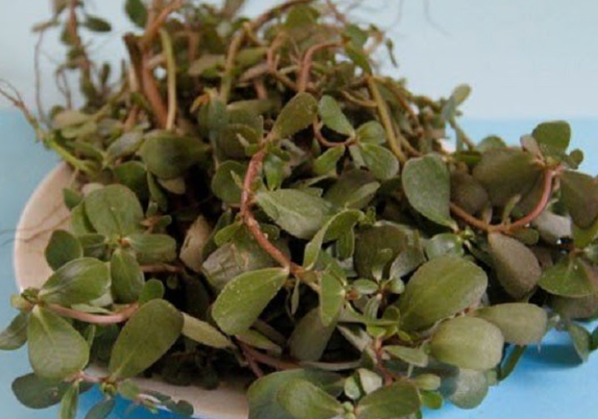
Meet Moringa — The Miracle Tree
Moringa, often called the “miracle tree,” is a fast-growing, drought-resistant plant native to parts of Asia and Africa. Every part of this remarkable tree—from its vibrant green leaves to its long, tender pods—is edible and highly nutritious. Despite its exotic origins, moringa is surprisingly easy to grow, even in small home gardens. Its flavor is mild yet savory, making it an ideal addition to soups, sautés, smoothies, and more.
Here are seven reasons why moringa is becoming one of the most sought-after superfoods for home gardeners.
1. A Rare Complete Plant-Based Protein
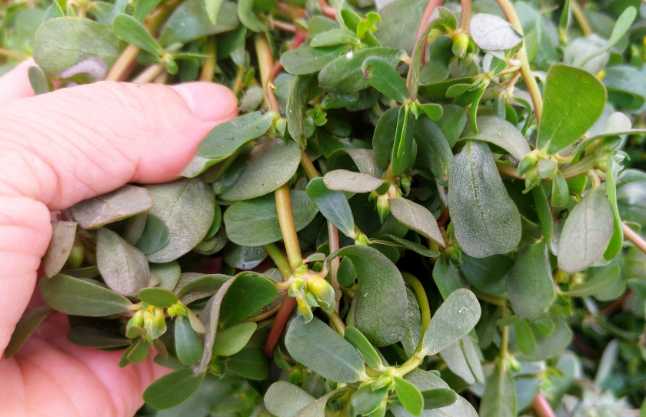
Moringa leaves contain all nine essential amino acids, making them one of the few plant-based sources of complete protein. This is a major advantage for vegetarians, vegans, and anyone seeking to reduce meat consumption without compromising nutritional needs. Just a small handful of fresh leaves can give your meals a significant protein boost—without the heaviness of meat.
2. Packed with Antioxidants, Vitamins, and Minerals
Moringa is exceptionally nutrient-dense, containing vitamin A, vitamin C, vitamin E, calcium, iron, and magnesium. These nutrients help fight inflammation, protect your cells from oxidative stress, and promote healthy skin, immunity, and energy levels. Regular consumption of moringa may also help reduce inflammatory markers, supporting long-term wellness.
3. Delicious When Cooked Like Meat
Moringa’s versatility in the kitchen is one of its best-kept secrets. Sauté the leaves with garlic and olive oil for a side dish as satisfying as spinach, or simmer young pods in stews to create a tender, meaty texture. In some traditional dishes, moringa even serves as a direct meat substitute thanks to its rich, umami flavor when cooked. Many people who usually avoid leafy greens are pleasantly surprised by its taste.
4. Easy to Grow in a Variety of Settings
Moringa thrives in warm, sunny environments but can also be grown in containers in cooler climates. It is low-maintenance, fast-growing, and naturally drought-tolerant, making it perfect for both experienced gardeners and beginners. Whether you have a backyard, balcony, or small garden bed, you can enjoy fresh moringa leaves year-round in the right climate.
5. Supports Healthy Blood Sugar and Heart Function
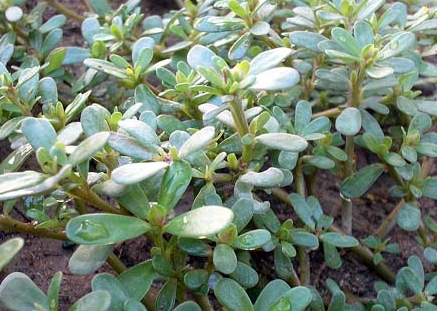
Some studies suggest that moringa leaves may help maintain healthy blood sugar levels and promote cardiovascular wellness. Plant compounds like quercetin and chlorogenic acid contribute to these potential benefits. While moringa is not a substitute for medical treatment, it can be a smart addition to a balanced, heart-friendly diet.
6. Reduces Food Waste and Promotes Self-Sufficiency
One of moringa’s most sustainable qualities is that nearly every part of the plant can be used. Leaves, seeds, pods, and even the bark and roots have culinary or cultural uses in different regions. Growing moringa at home reduces dependence on store-bought produce and encourages zero-waste cooking, making it a valuable step toward food security and self-reliance.
7. Perfect for Smoothies, Teas, and Everyday Dishes
Moringa is as versatile as it is nutritious. Add dried moringa powder to your morning smoothie, steep the leaves for a warm, earthy tea, or sprinkle them into soups and stir-fries for a flavor and nutrient boost. You can even get creative—blend moringa into salad dressings, make moringa pesto, or add it to baked goods for an extra layer of wellness.
Final Thoughts — Why Moringa Belongs in Your Garden
If you want to eat healthier, save money, and enjoy food that truly nourishes you, moringa is one of the most valuable plants you can grow. With its high protein content, impressive nutrient profile, and meat-like taste when cooked, it’s no wonder moringa has earned the title of “miracle tree.”
Plant it this season, care for it, and discover why it’s cherished around the world for both its health benefits and its culinary potential.
Disclaimer: This article is for informational purposes only and does not replace professional medical or agricultural advice. Consult your healthcare provider or a gardening expert before making dietary changes or starting new crops.